Uncertainty: The new normal
Dominic Carman
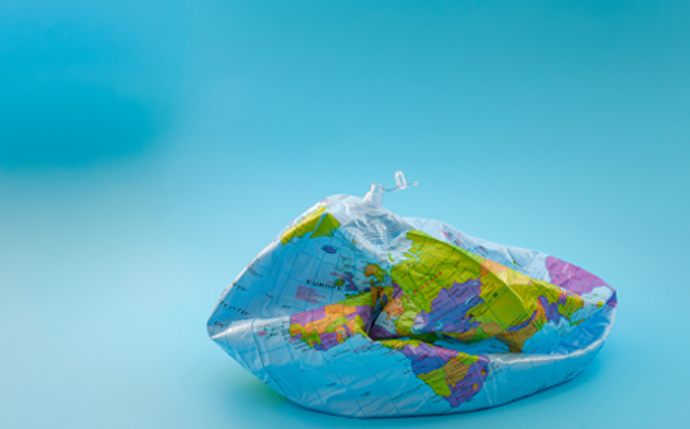
Professional adaptability has become a defining national characteristic, so how are repeated external shocks impacting the resilience of Swiss lawyers?
Agreeing to an official ceremony in Geneva for the signing of a peace agreement (Memorandum of Understanding) with Iran was distinctly ironic. Over the past year, President Trump has had a great deal to say about Swiss trade, Swiss tariffs, and Swiss leaders – much of it expressed in a tone that was characteristically bellicose rather than pacific. Wisely, the US president decided at the last minute to sign the agreement over the dinner table at Versailles Palace instead.
Unwisely, his previous comments have included: “Without the United States, Switzerland would no longer be Switzerland.” (WEF 2026, Davos); “They arrive, they sell their watches, no customs duties, they go home, and they earn $41 billion in the process… They should pay much more.” (WEF 2026, Davos); “She (former Swiss President Karin Keller-Sutter) just rubbed me the wrong way… so I made it 39%.” Re: raising the tariff rate from 30% to 39% in August 2025 (NYT 2026).
Notwithstanding these statements, the US and Switzerland managed to negotiate a trade framework that eventually lowered tariffs on Swiss goods to 15%. Beyond the direct impact of tariffs on Swiss businesses, the Iran conflict has further disrupted global trade and energy supplies, creating supply chain problems and inflationary pressures.
Faced with indirect consequences of these challenges, Swiss lawyers nevertheless remain stoic and positive. ”Uncertainty has become a certainty,” says Christian Oetiker, managing partner of Vischer. At Schellenberg Wittmer, banking partner Caroline Clemetson adds: “Given the growing international uncertainty – the Ukraine war, US tariffs, and now Iran – certain sectors are impacted and need to adapt to the new general regulatory environment created by those events. Some clients manage without being impacted, others have to adapt.”